
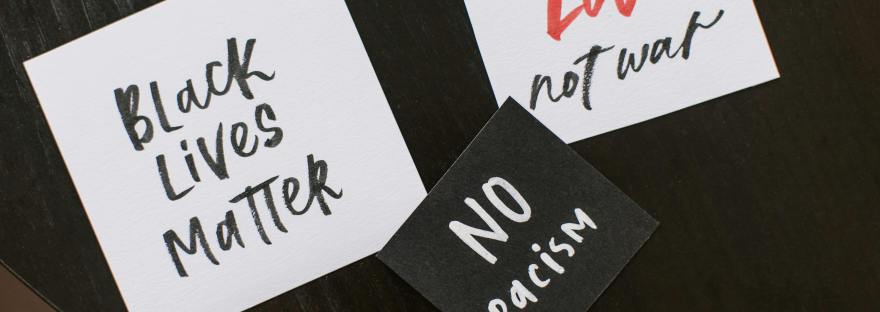
One of the most engaging books I’ve read so far this year is White Fragility by Robin Diangelo. This was a complex read and I was sure to give it plenty of time. The main focus of the book talks about the nature of racism and how it has shifted in the US. While many people claim they are colorblind or that we are ‘post racial’. The insidious nature of racism in baked into our socialization.
Diangelo works to define racism as something that is not limited to ‘bad people’. She elaborates on the way that so called ‘good people’ can still further the goals of a racist ideology.
She talks about the importance of recognizing the way that white people in the US and other colonized countries are socialized in upholding the power of other white people. She discusses how
White people in North America live in a society that is deeply separate and unequal by race, whit people are the beneficiaries of that separation and inequality. As a result, we are insulated from racial stress, at the same time we come to feel entitled and deserving of our advantage
Diangelo goes onto discuss what happens when whites face racial stress. Racial stress can come in many forms but since white people don’t have to deal with it as much as other people, if at all. We tend not to have any tolerance, hence the title, “White Fragility”. Which is based in white people not wanting to see themselves in a racial context. This starts early with children displaying ideas about race as early as three-years old.
Instead of facing our prejudice white people like to make excuses common such as belonging to a group that experiences prejudice. Particularly white people who hearken back to their European ancestors claiming they experienced prejudice when coming to North America. Other examples include things like
Children today are so open. When the old folks die off, we will finally be free of racism. Or I grew up in a small rural community so I was very sheltered. I didn’t learn anything about racism, or I marched in the sixties
The author also talks about pervasive myths about race. One of the biggest of these myths is the idea that race has a biological element. This is a myth that was used by people to legitimize slavery, and is still used to this day. An example of this is the idea. Is that black people don’t need as much pain medicine. This phenomena something that people of color still have a problem with when they go to the doctors. And its ill effects can be seen in something like the number of black mothers and babies who die shortly after birth compared to their white counterparts.
In conclusion the author talks about how we lose value by not engaging in cross-racial relationships in our lives. Diangelo notes that instead of considering whether or not we are racist, we should instead consider whether or not we are interrupting racism in the context of situations. White people also need to consider what they will do when they get feedback about being racist. We need to work on trying to not get defensive and trying to seek absolution from people of color.
This book was very enlightening about how we are socialized when it comes to racism and how we can improve our behavior and responses. I’d recommend this to any white person and think it should be required reading for college and schools. Five stars plus!

 Rose's Book Garden